
Review of the 108th Swiss Real Estate Talk
Swiss pension funds invest around a quarter of their funds in real estate - and the lion's share of this in Swiss housing. The 108th Real Estate Talk asked: Are there alternatives?


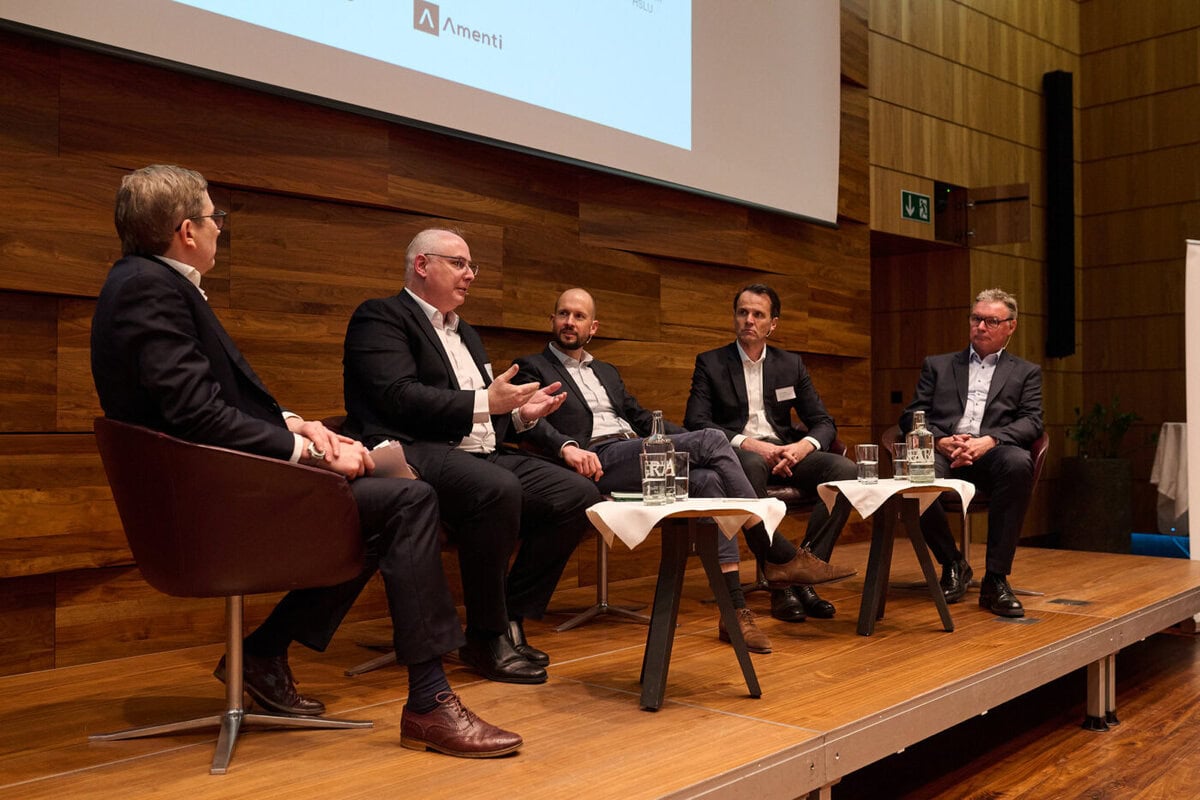
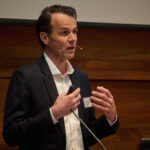
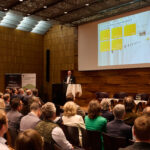
«Alternatives to the Swiss housing market» was the title of the 108th Swiss Real Estate Talk, which took place in front of a packed audience in Zurich's Metropol. Moderator John Davidson from the Lucerne University of Applied Sciences and Arts laid the figures on the table at the opening: the real estate allocation of Swiss pension funds is between 23 and 25 % - an internationally unrivalled figure - and these funds are mainly invested in Swiss apartment buildings in the major centers. And the appetite remains: According to an HSLU study, the funds want to further increase their share of Swiss residential real estate; their return expectation for directly held Swiss residential real estate is 3.2 % total return. Meanwhile, capital increases with a volume of CHF 9.2 billion were carried out in Switzerland in 2025 - an increase of almost 88 % compared to the previous year. The large amount of capital is driving up prices - the median discount rate for apartment buildings is once again well below 2%. But what could diversification look like? Four speakers provided answers from different perspectives.
Data center growth market
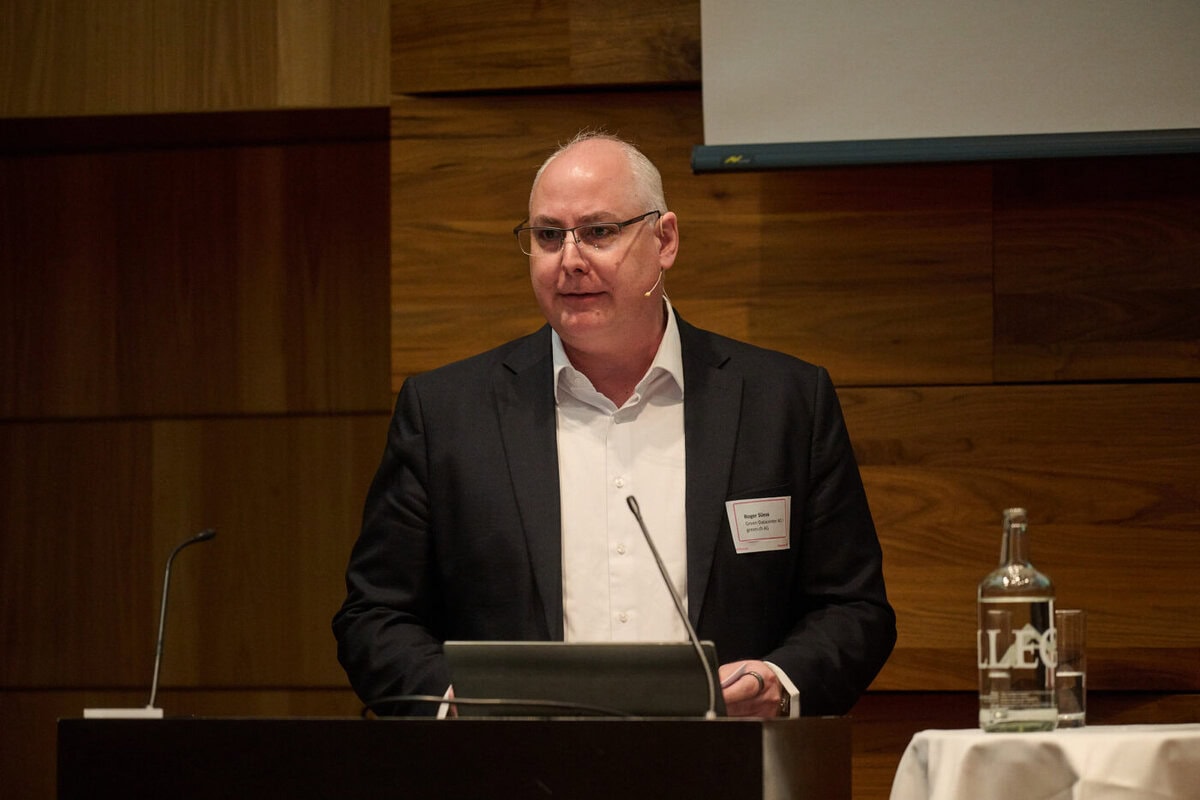
Roger Süess, CEO of Green Datacenter and President of the Swiss Datacenter Association, opened with a look at a market that is growing rapidly. Green, founded in 1995 and part of the IFM Global Infrastructure Fund since 2025, operates nine data centers at four Swiss locations and is expanding into Europe - with Frankfurt as its first destination. There are around 120 commercial data centers in Switzerland - 17th place worldwide. The installed capacity is estimated at around 250 megawatts; around 1 gigawatt is to be added in the next eight to nine years. For comparison: Frankfurt alone is adding 1 gigawatt per year. The location logic is reminiscent of real estate: «Location, location, location - except that it's not the view of the lake, but the available land and the power connection.» Technically, artificial intelligence is changing the rules of the game: While a conventional server rack consumes around 6 kilowatts, AI installations today consume 50, and in the future up to 1 megawatt per rack. The actual building only accounts for around a quarter of the investment costs, with the technology accounting for three quarters. The returns range between 6 and 8% for the building shell alone and higher values including operation. Sustainability and business model are not contradictory: the waste heat from green data centers is already feeding district heating networks and supplying communities with energy.
Commercial niches on the rise
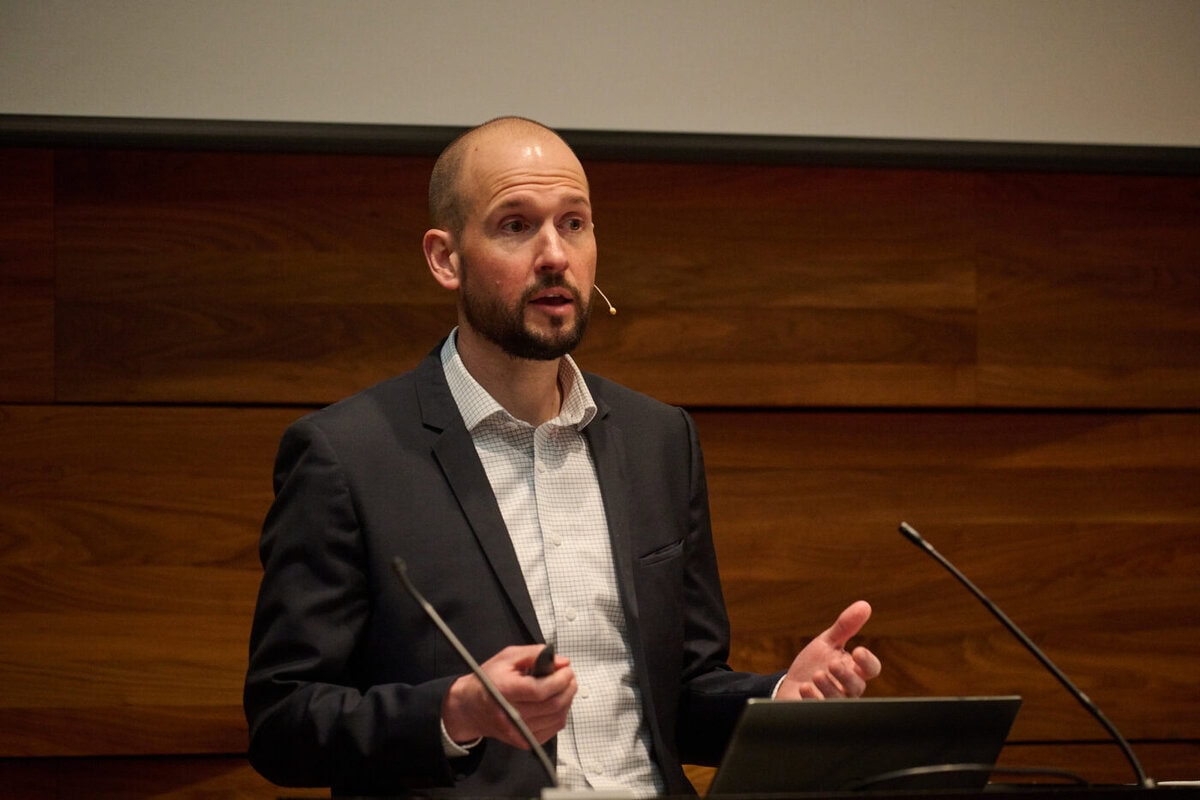
David Schoch, Head of Research & Consulting at CBRE Switzerland, broadened the view to the commercial spectrum. 37% of the capital increases raised in the record year 2025 were for commercial real estate products - a record figure that correlates closely with the low interest rate level. Net cash flow yields in commercial niches such as logistics and light industry are around 200 basis points higher than the residential segment. Vacancy rates for logistics, high-street retail and light industry in Switzerland are between 2 and 3 % - well below the European average. Long-term leased logistics properties or supermarkets with leases to counterparties with strong credit ratings offer near-core stability with higher yields. However, specialist knowledge and patience are required, as the market size of some niches is limited. Another positive aspect of commercial investments is that political and planning law hurdles hardly play a role here - unlike in the residential segment, where the Zurich housing protection initiative, for example, which will be put to the vote on June 14, is unsettling investors.
Alternative infrastructure
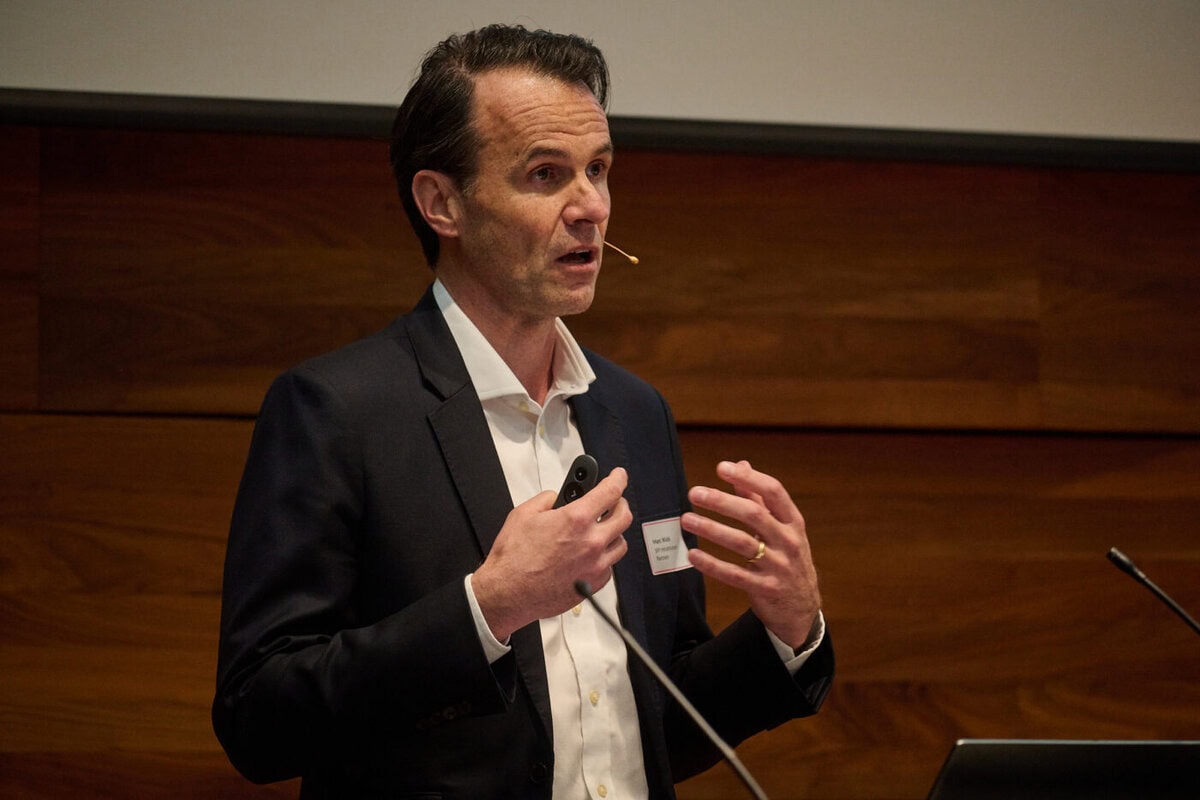
Marc Wicki, CEO and founder of SFP Infrastructure Partners, highlighted the points of contact and differences between infrastructure and real estate. The average infrastructure allocation of Swiss pension funds is only 2.8 % - with a legal limit of 10 %. In contrast to real estate, the funds want to diversify broadly here, both geographically and by sector. Wicki warned against typical rookie mistakes: monothematic investments in renewables only, for example, too narrow a focus on Switzerland, where the market is far too small, and underestimating the «J-curve», i.e. the phase in which costs are incurred but no income is yet generated. As a way out, he recommended the secondary market approach: the acquisition of shares in existing funds with mature assets, which offers shorter capital commitment, immediate diversification and early distributions. Using the example of a European portfolio of toll roads, ports and social infrastructure with
Wicki illustrated the potential with a target return of 9.5%.
«Get started»
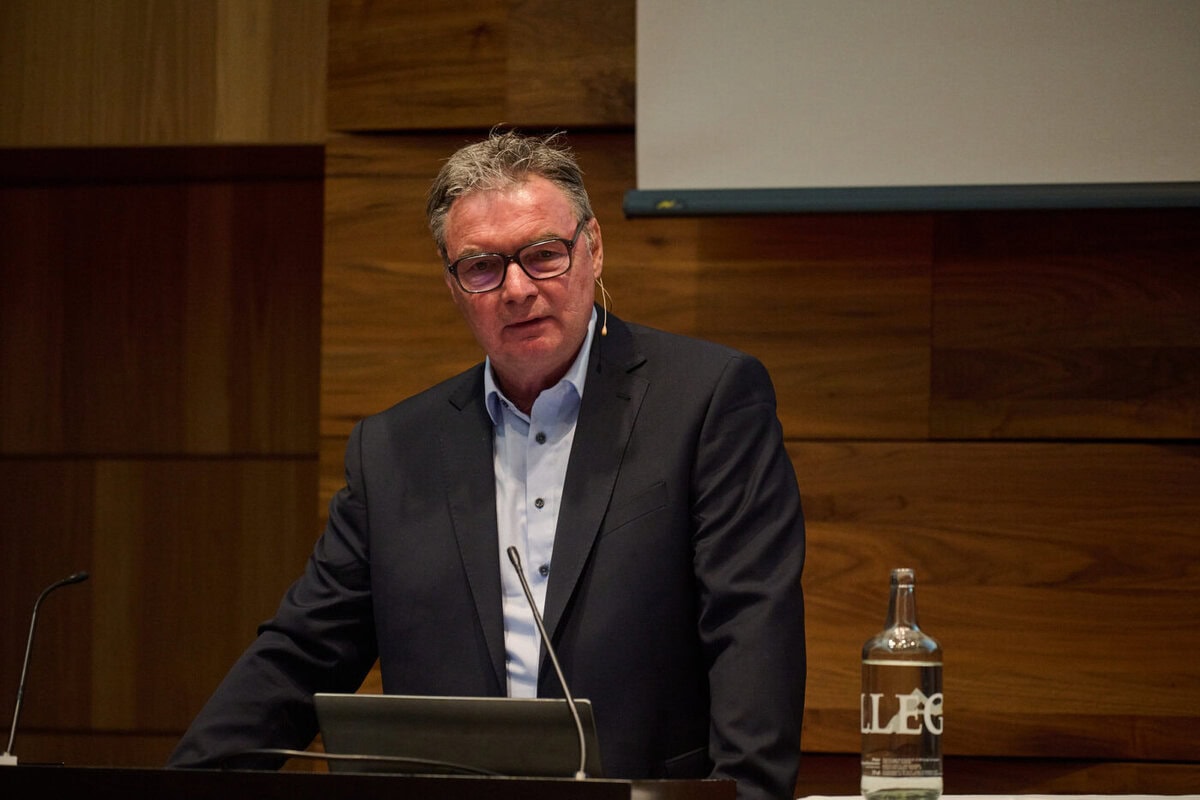
Martin Hammele, President of the Second Pillar Innovation Association, made an appeal to his colleagues: they should finally look at real estate abroad. The risk-return ratio in Switzerland is constantly deteriorating, he said. Global diversification is a matter of course for equities, bonds and infrastructure - it is only with real estate that a «comfortable attitude» prevails. Hammele advocated starting small and gradually working your way into markets such as Canada, Scandinavia or Australia - always with local partners. He also described ESG as a «risk that is lurking»: At some point, the necessary investments would eat up the returns for years.