
Investing with Club Deals where there is a lack of apartments
The housing shortage in Switzerland is driving up prices for residential property and rents for apartments. Yet too little is being built in Switzerland. Often because there is a lack of know-how and resources.


The Swiss housing market has dried up. The vacancy rate at the end of June last year was just 1%. In urban centers, the rate was as low as 0.5%. (Source: FSO)
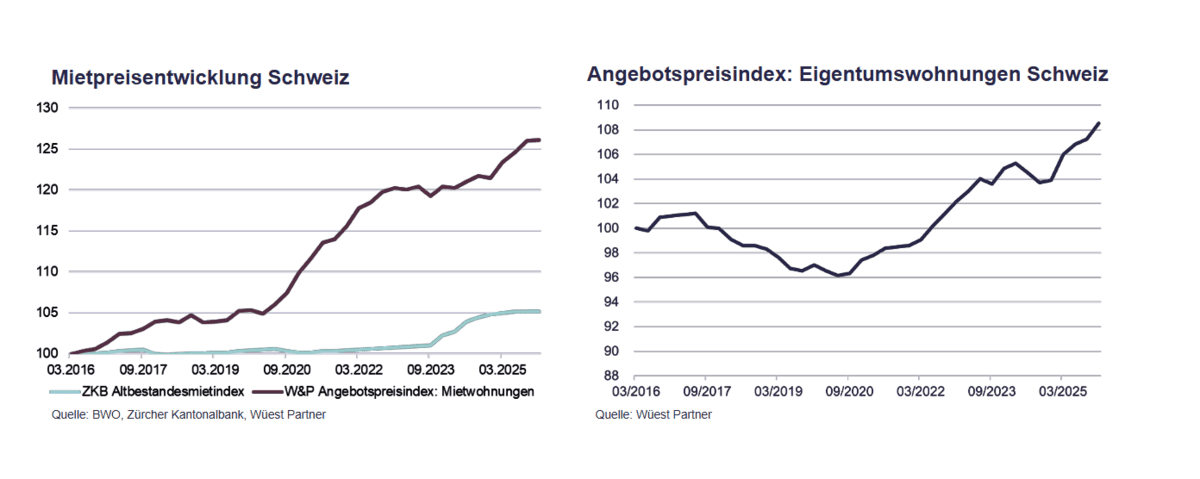
The trend in transaction prices for residential property and rental prices is also clearly pointing upwards. The ongoing shortage of supply has caused prices to rise significantly over the years. The temporary interest rate effect in 2022/2023 was only able to slow this momentum slightly. (Source: Wüest Partner)
A look at net immigration and the growth in the permanent resident population shows that residential construction has basically kept pace with population growth. In addition to immigration, the drivers of the record vacancy rate are the trend towards smaller apartments and the falling average household size.
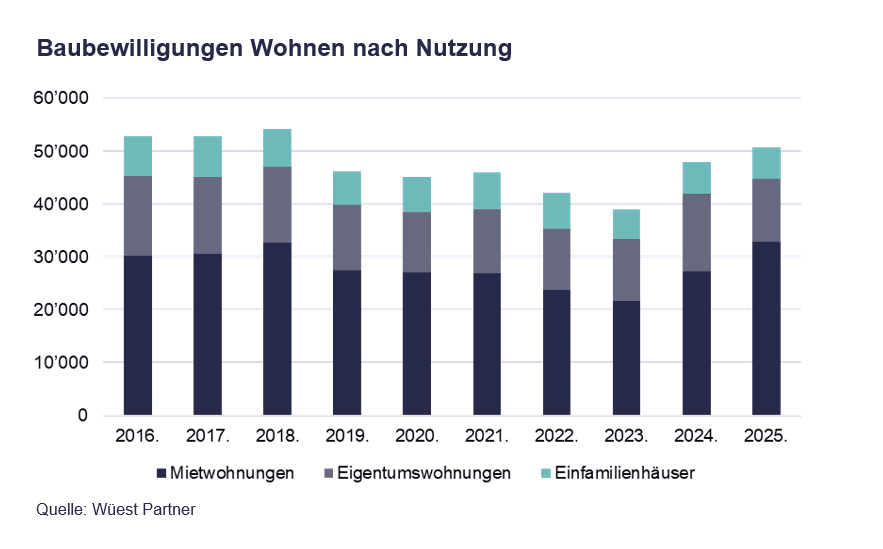
Wüest Partner is forecasting a renewed increase in investment in residential buildings for 2025. Nevertheless, the volume will remain well below the level required to ease the housing shortage in the long term.
Building in Switzerland: opportunities and challenges
In view of the market shortage, building should actually be worthwhile today. Nevertheless, construction activity has not increased significantly in recent years (source: FSO). This can be seen on the one hand in the stagnating direct construction investments, but also in the stagnating number of building applications. The reasons for this lie less in financing and more in the operational challenges of construction. Four central factors that tie up resources slow down the construction process and therefore influence the success of development projects:
- Demanding approval procedures: The average approval time for apartment buildings has increased significantly in recent years. According to UBS, it is now between 200 and 230 days, and even up to 305 days in large cities.
- Greater structural and technical complexity: Increased requirements for quality of living, energy efficiency and sustainability lead to more demanding construction processes and complex building technology. At the same time, modern systems are opening up new added value, such as digital access solutions and intelligent heating and ventilation control systems.
- Shortage of skilled workers in the construction industry: Qualified skilled workers are in short supply and are often fully booked for the long term. This makes awarding procedures more complex and the control and coordination of trades more important. The shortage also increases the risk of delays and quality problems.
- Purchasing with a clear vision and a consistent view of margins: project success starts with the right purchasing. With real estate developments, there are additional risks: planning uncertainties, construction cost trends and market demand.
EROP & SFP Group: Success factors for efficient real estate developments
A successful development process is based on multidisciplinary collaboration.
Together with EROP Real Estate & Partners, the Swiss Finance & Property Group (SFP Group) offers investors direct access to real estate developments with EROP Club Deals. Qualified investors benefit from institutionalized access to specific development projects and the know-how of a developer with proven expertise. Both investment properties and residential properties are developed. The aim is to generate an attractive return for investors of at least 15% p.a. on the capital invested.
EROP's employees have many years of experience in real estate development and an excellent track record. The development process includes:
- Comprehensive planning and engineering services at a fixed price
- Tenders and objection management in which dialog is actively sought
- Project monitoring until complete realization
- Consistent budget management through optimized planning and design processes
This approach makes it possible to identify cost potential, minimize risks and implement projects efficiently.
The SFP Group assumes the function of asset manager:
- Review and selection of club deals before launch
- Sourcing suitable properties
- Transparent disclosure of all cost and income expectations
- Support for every project from launch to liquidation
- Monitoring of central milestones
- Continuous communication with investors
In this way, the SFP Group ensures that every investment is professionally reviewed, consistently monitored and transparently managed.
Further information:
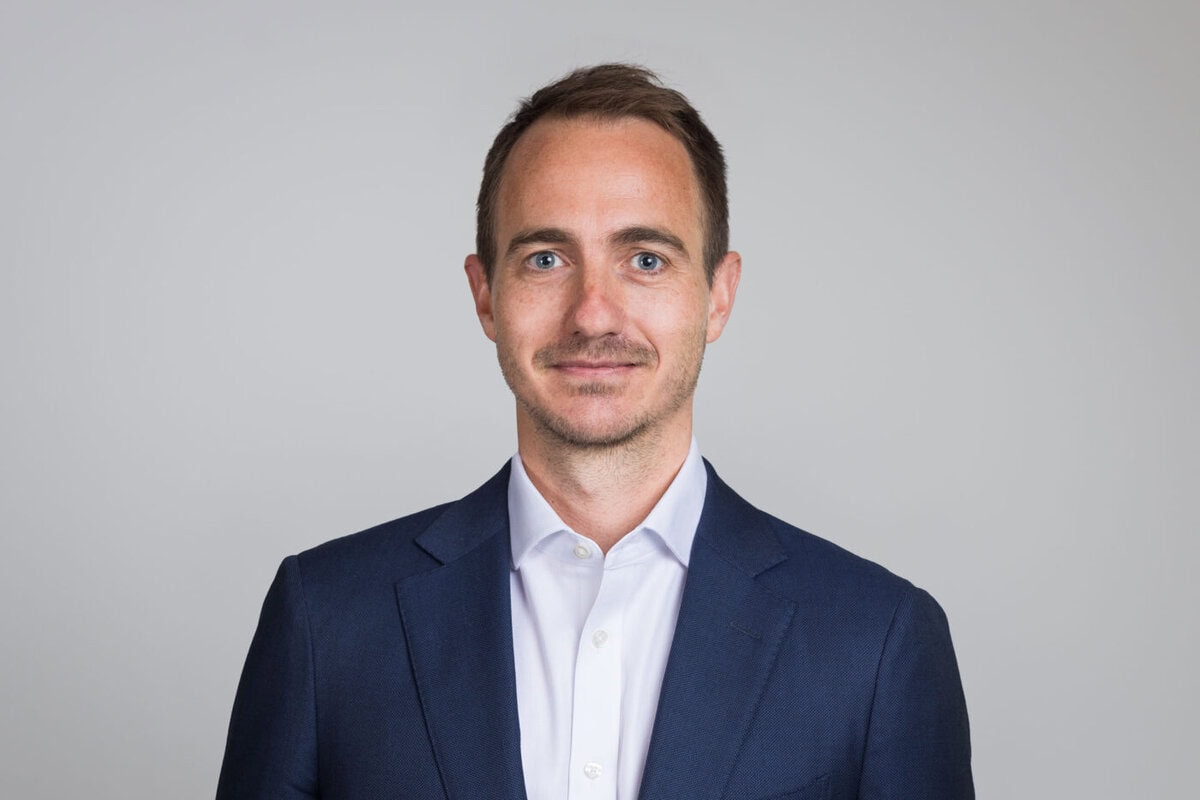
Florian Lemberger
Head Corporate Finance & Capital Markets
Swiss Finance & Property AG
lemberger@sfp.ch