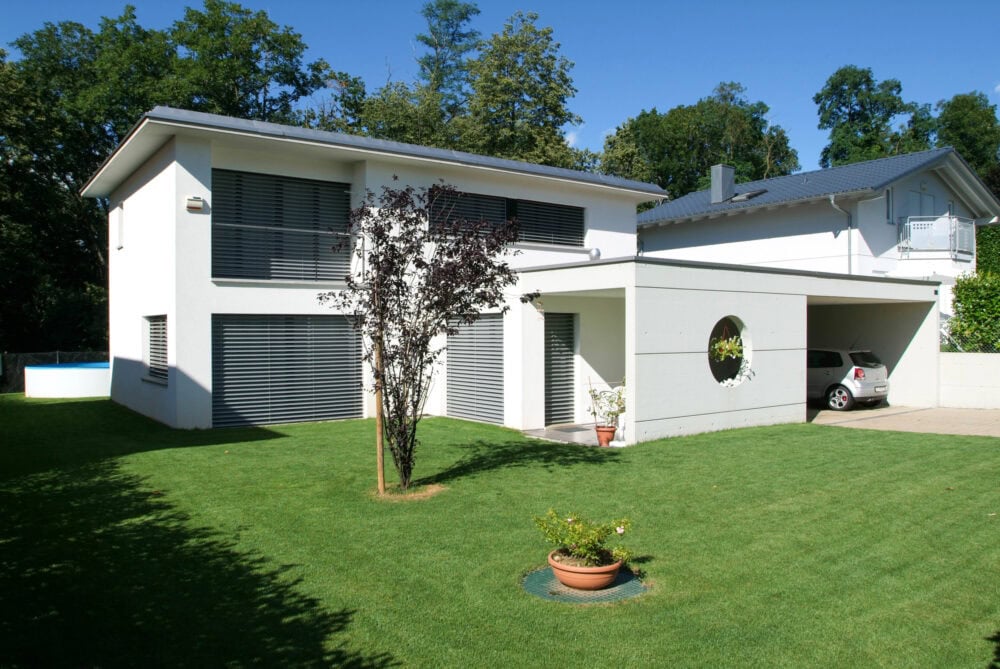

Residential market: Wüest Partner anticipates weaker price growth
According to the analysis by the research and consulting company, a number of factors are having a dampening effect on further growth in purchase and rental prices - although supply remains tight.


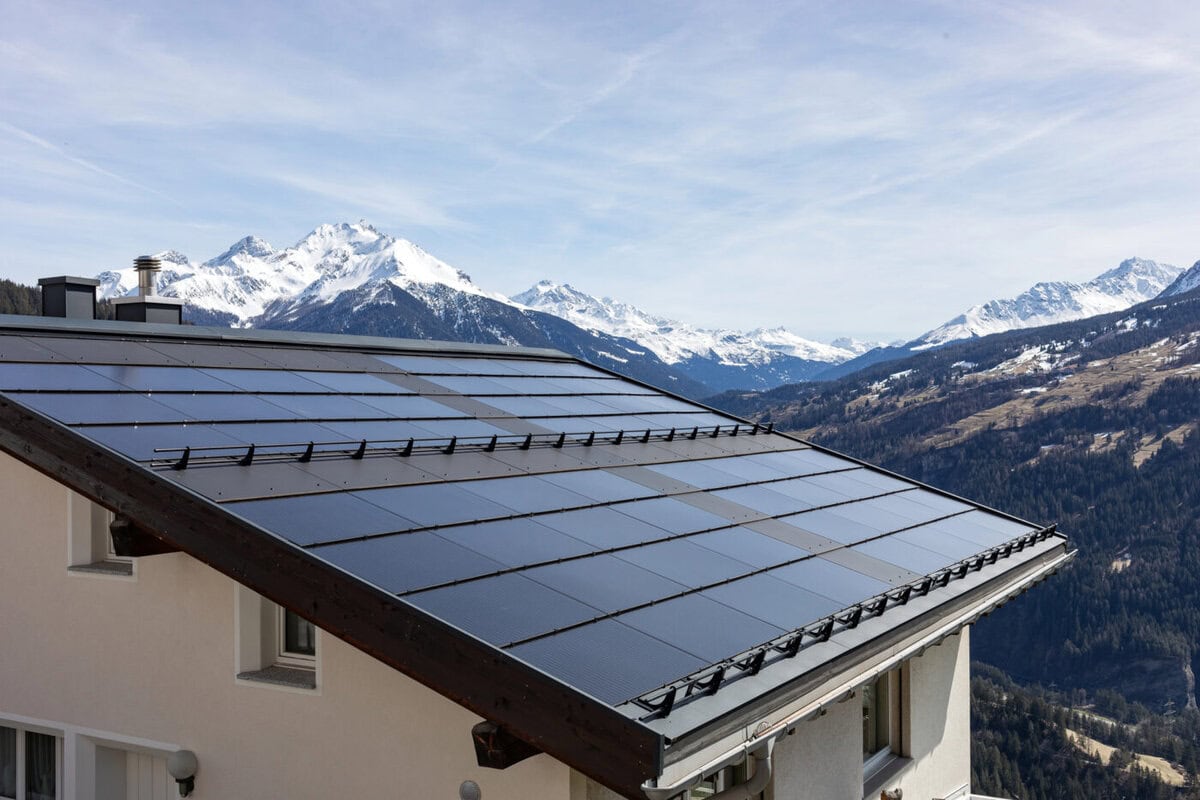
Wüest Partner expects slightly weaker price growth for residential property in the current year. The service provider's analysts anticipate an average price increase of 2.8 % for condominiums and 3.1% for single-family homes across Switzerland. In the case of condominiums, above-average increases are expected in Valais (+4.0 %) and Graubünden (+3.8 %), which Wüest Partner attributes to the tourist appeal of the regions. The strongest growth in single-family homes is expected in Graubünden and Central Switzerland, where price increases of around 4% are forecast. By contrast, growth is likely to be below average in the canton of Geneva (+1.1 %). The reasons for this are the already very high price level and the broad supply. Only moderate growth is also expected in Ticino (+1.0 %), partly due to demographic ageing.
Supply shortage versus weaker immigration
The experts at Wüest Partner are basing their forecast for the Swiss residential real estate market on opposing trends. On the one hand, new construction is only gaining limited momentum and financing conditions remain very favorable. In addition, supply remains tight: both listings for single-family homes and rental apartments are falling - in the latter case by 11 % within a year, while applications have risen by 5%. In addition, the abolition of the imputed rental value is an additional demand-supporting factor.
On the other hand, the slowdown in employment momentum is having a weakening effect - partly due to the use of AI. Wüest Partner anticipates employment growth of 0.4 %, which is around a third of the average of the last ten years (+1.2 %). «The subdued employment trend is likely to have a dampening effect on immigration, which is the main driver of population growth in Switzerland,» the market report states. This is also expected to result in a lower increase in demand for housing. Financial affordability is another potential factor that could put the brakes on growth: In 2025, prices for single-family homes and condominiums rose by 5.3 % and 4.5 % respectively, while nominal wages only increased by 1.2 %. Since 2016, prices for residential property have increased by over 40 %, while wages have only risen by around 8 % in the same period. Declining affordability is likely to dampen both demand and willingness to pay. «In addition, the slight rise in unemployment expected in the coming quarters could further increase the reluctance of potential buyers,» writes Wüest Partner.
Moderate rent increase on national average
Wüest Partner also expects rents to lose momentum. This is despite the fact that supply is likely to remain very tight in 2026. Although it can be assumed that new apartments will gradually come onto the market, based on the increased number of building permits in 2024 and 2025, «at the same time, new construction activity remains fragile, as illustrated by the decline in building applications towards the end of 2025». On the other hand, the decline in existing rents as a result of the reduction in the mortgage reference interest rate will also have an indirect dampening effect on asking rents in 2026. Secondly, the aforementioned slowdown in employment growth will lead to a slowdown in immigration. «Thirdly, home ownership is becoming more attractive than renting, which could shift some of the demand from the rental market to the home ownership market,» it says. Overall, Wüest Partner anticipates a moderate increase in asking rents of 0.7 % on average at national level in 2026. According to the forecasts, this figure is only 0.3% in western Switzerland, as individual regions there continue to benefit from a comparatively higher supply. In Central Switzerland, on the other hand, which is characterized by a particularly pronounced supply shortage, asking rents could rise by up to 1.1 %.